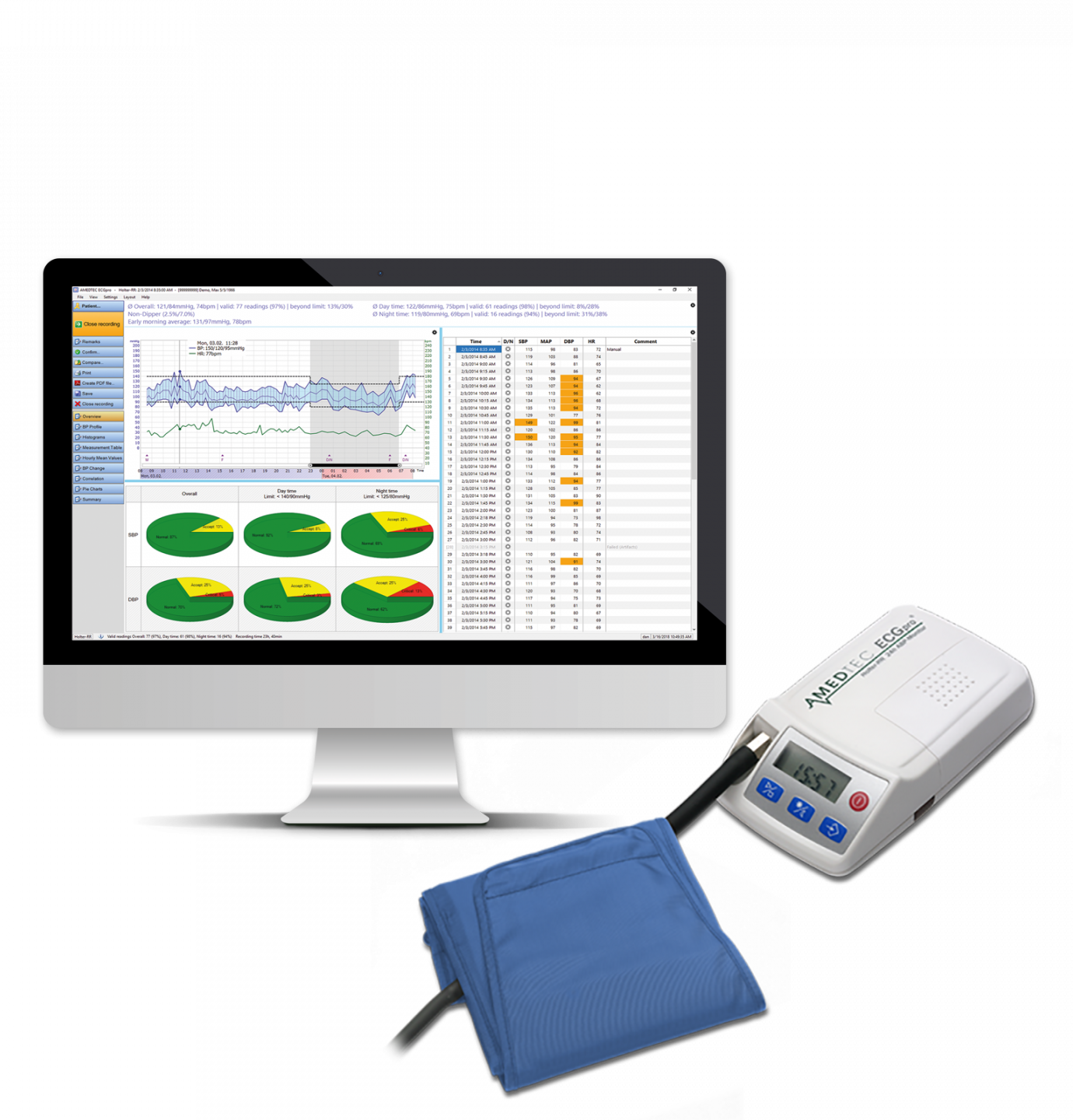
3-Channel ECG Holter Analyzer or 12-Lead ECG Holter Recorder with USB capabilities, which is used for continuous monitoring and recording of a patient’s heart activity over a specified period (typically 24-48 hours or longer). These devices are generally used for detecting arrhythmias, ischemic events, and other cardiac conditions that might not be captured during a routine office ECG due to their intermittent nature. Here are some features and details you might find in such devices: Key Features: 3-Channel or 12-Lead ECG Recording: 3-Channel Holter recorders capture 3 different leads from the heart, typically used for monitoring more basic heart functions. 12-Lead ECG provides a more comprehensive analysis, capturing 12 distinct viewpoints of the heart, which can detect a wider range of cardiac abnormalities. Continuous Monitoring: These devices allow for continuous monitoring of the heart over an extended period, typically up to 24-48 hours. This helps in identifying intermittent arrhythmias or other cardiac conditions that might not show up during a short ECG test. USB Connectivity: The device can typically interface with a computer or laptop via USB to upload the recorded data for analysis. This allows for easier data transfer, storage, and analysis in specialized software. Data Analysis Software: Many of these Holter monitors come with software that assists in analyzing the ECG data, generating reports, and providing visual representations of heart activity. It can help in detecting arrhythmias, ST-segment changes, and other heart-related conditions. Portable and Lightweight: Holter monitors are small and wearable, often in the form of a small recording box that patients can attach to themselves using electrodes placed on the chest. This allows for normal daily activities during the monitoring period. Electrode Placement: The Holter monitor uses multiple electrodes (e.g., 3, 5, or 12 electrodes depending on the system) that are placed on the patient’s chest to record electrical activity from different parts of the heart. Battery Life: Depending on the model and type, the Holter monitor can last for the full monitoring period on a single battery charge. Data Storage: The device typically stores the ECG data in internal memory until it is transferred via USB to the computer or cloud-based system for analysis. Applications: Arrhythmia Detection: Holter monitors are commonly used for diagnosing arrhythmias like atrial fibrillation, tachycardia, and bradycardia. Chest Pain Evaluation: They can be used to detect myocardial ischemia that might cause chest pain but not be detectable with a regular ECG. Post-Surgical Monitoring: Patients who have had heart surgery or a stent placed may undergo Holter monitoring to check for abnormalities. Screening for Silent Myocardial Infarction: Some patients may have heart attacks without the classic symptoms, and a Holter monitor can help detect silent ischemic events. Choosing the Right Device: When selecting a 3-channel or 12-lead ECG Holter monitor, consider factors like: The type of data analysis software available. The device’s ability to store and analyze data accurately. Ease of use, both for patients and healthcare professionals. The device’s battery life and ease of electrode placement. If you’re purchasing one, be sure to check for compatibility with your healthcare institution’s existing systems and ensure the software allows for comprehensive, accurate reporting.